Tampa Bay Is Not One Place, and That Changes Everything
Here is the first thing we tell every buyer who calls us about moving to Tampa Bay: you are not moving to a city. You are choosing between a dozen very different lifestyles that happen to share a bay. South Tampa and Parrish are both “Tampa Bay,” and they have almost nothing in common in daily life, price, commute, or feel.
Most relocation mistakes we see are not about the house. They are about picking the wrong version of Tampa Bay, usually from listing photos and a map. This guide is the conversation we have at the kitchen table with relocating buyers, written down. Use the sections below to jump around:
- The areas, honestly
- The costs nobody puts in the listing
- The commute test we make everyone do
- How to choose, in order
- Frequently asked questions
The Areas, Honestly
South Tampa: central, established, and connected
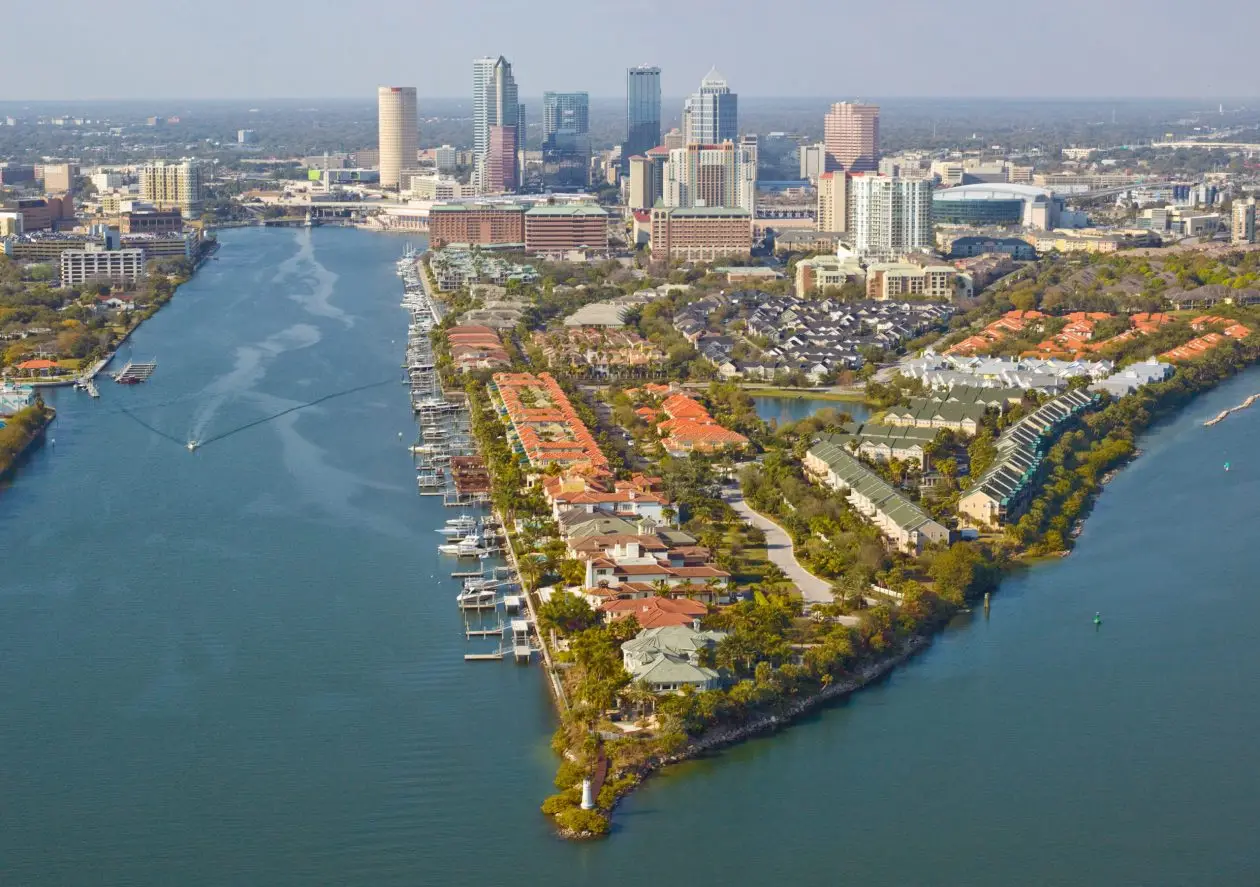
Close to downtown, the airport, and most of the region’s employment. Established neighborhoods, historic and renovated homes, restaurants you can actually walk to in certain pockets. The trade: smaller lots, older housing stock in places, and flood and insurance questions that need to be answered property by property. South Tampa is usually a location-first decision. If neighborhood character matters to you, start with our guides to living in Hyde Park and Palma Ceia, or our South Tampa page for the luxury market.
St. Petersburg: waterfront energy and local personality
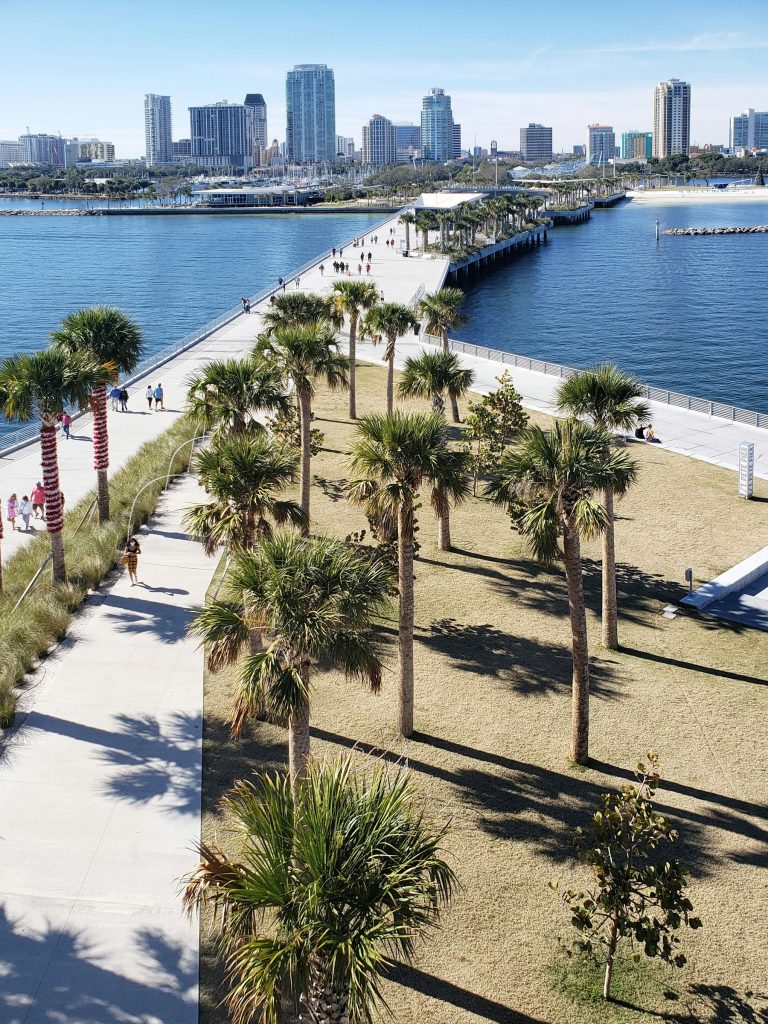
Downtown St. Pete has a rhythm of its own: waterfront parks, arts, independent restaurants, and walkable stretches. It is not simply “Tampa across the bridge,” and choosing between the two is its own decision; we wrote a full South Tampa versus St. Petersburg comparison for exactly that fork in the road. The bridge commute is real and worth testing at rush hour, and coastal properties carry their own insurance homework. For a street-level view, our St. Petersburg neighborhoods guide for buyers breaks the city into its actual pieces.
Wesley Chapel: newer construction and master-planned amenities
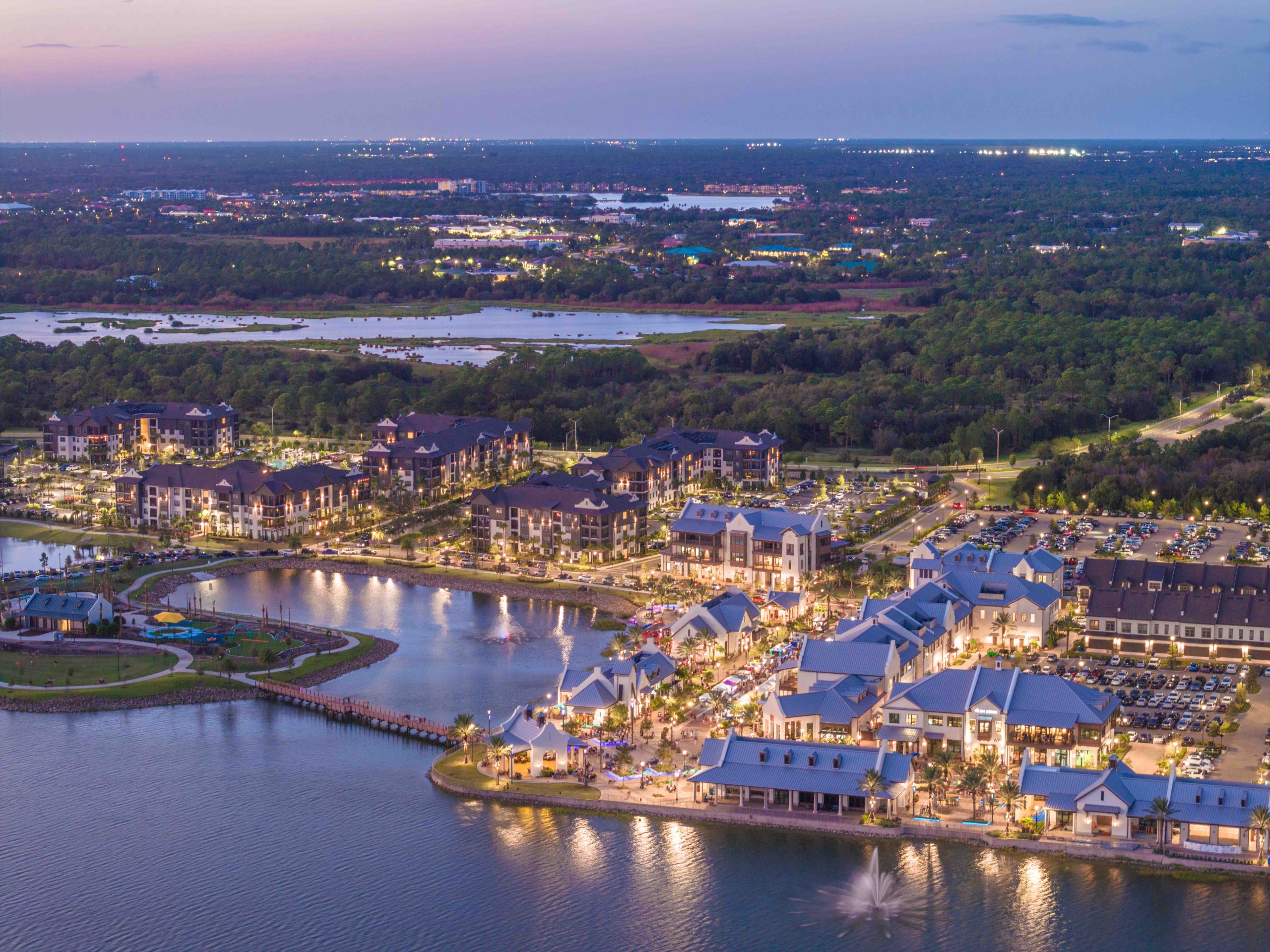
North of Tampa, and one of the fastest-growing corridors in the region. Master-planned communities, newer homes, lagoon and resort-style amenities, and major shopping and healthcare growth. The trade: HOA and CDD fees that change your monthly number, car-dependent living, and traffic that varies a lot by which side of the corridor you choose. The specific community matters more than the Wesley Chapel name, which is why we keep a River Landing community guide and a breakdown of what it costs to live in Wesley Chapel. Deciding between a builder and a resale there? Read new construction versus resale in Wesley Chapel first.
Lakewood Ranch: village-based living with Sarasota access
Lakewood Ranch is not one neighborhood. It is a collection of villages, each with its own character, fee structure, and buyer fit, from golf course living to new construction. Choosing the right village is the whole game. Start with our living in Lakewood Ranch overview, then go deeper on Calusa Country Club, one of the newest villages, where we tour with buyers weekly.
Riverview and the eastern suburbs: space and value
East of Tampa, Riverview, Valrico, and the surrounding suburbs offer more home for the budget and established neighborhoods alongside newer builds. The trade is the commute across the crosstown corridors, which you should drive at 5 PM before committing, not at 11 AM on a Saturday. Our Waterleaf community guide is a good example of what the newer Riverview communities look like up close.
Apollo Beach: water access without downtown
Boating, canal homes, and a quieter suburban feel with Tampa access. The distinction that matters: wanting a water view and living a boating lifestyle are different decisions with different costs. Seawalls, docks, lifts, and flood coverage all belong in the budget conversation before the offer; our guide to Apollo Beach waterfront homes covers what to inspect, and the broader Gulf Coast waterfront buying guide applies anywhere on the water.
Parrish: the value corridor
Between Tampa and Sarasota, Parrish has become the answer for buyers who want newer construction and more space at a lower entry point than Lakewood Ranch or Sarasota. New communities are competing for buyers, which can mean builder incentives; we cover where the leverage is in Parrish new construction: value or too far out. It is growing fast, and parts of it are still ahead of their infrastructure, so buy for what exists today. See our page on Seaire, the lagoon community leading that growth.
Sarasota: coastal and cultural
Arts, dining, Gulf beaches, and a lifestyle that is less about commuting into Tampa and more about living on the coast. Downtown Sarasota, the barrier islands, and the inland communities are three different price points and three different daily lives; our Sarasota neighborhoods guide maps them out. For many of our buyers, the practical compromise is Palmetto and Bradenton, where communities like Esplanade at Coasterra and SeaFlower deliver resort amenities with Sarasota within reach.
The Costs Nobody Puts in the Listing
Two homes at the same list price in Tampa Bay can cost very different amounts to own each month. Before you compare houses, compare these:
- Homeowners insurance, which varies widely by roof age, construction year, and wind mitigation features. Get a real quote during your inspection period, not after. The insurance questions to ask before you make an offer are worth reading before you tour a single home.
- Flood insurance, which is a property-level question, not a neighborhood-level one. Proximity to water does not automatically mean a flood zone, and distance from water does not automatically mean you are clear.
- HOA and CDD fees, especially in the newer master-planned communities. CDD assessments ride on your tax bill and belong in your monthly math.
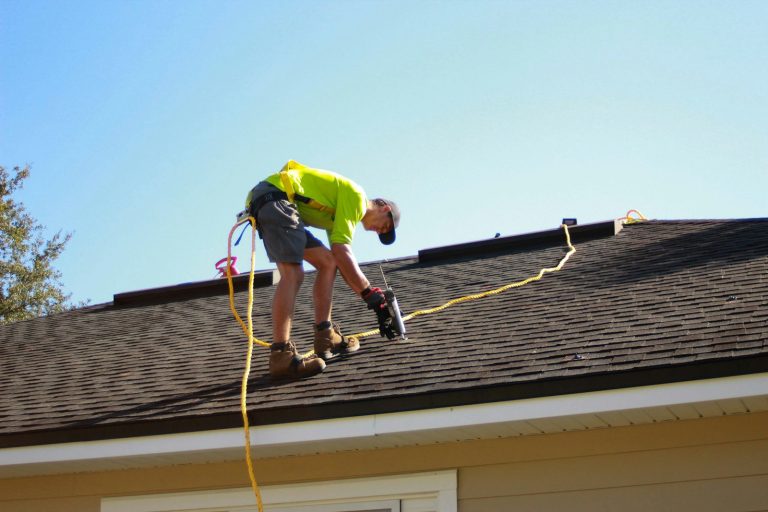
- Roof and major systems. In Florida, roof age drives insurability, not just repair budgets. A 15 year old roof is a negotiation point.
- The commute itself: tolls, fuel, and time are a monthly cost that a bigger house 25 minutes further out quietly adds back.
We keep two deeper resources on this: the hidden costs of owning a home in Tampa Bay and a current look at the Tampa Bay cost of living for movers. The list price is one line of the budget. We build the full monthly number with buyers before touring, because it changes which areas make sense more often than people expect.
The Commute Test We Make Everyone Do
Distance on a map means nothing here. Bridges, school traffic, and construction corridors decide your daily life. Before you commit to an area, drive these routes at the real times: your morning commute at your actual start time, the evening return at 5:30 PM, the school or daycare run, the airport, and your nearest grocery store. A weekend visit tells you almost nothing. If you are relocating from out of state and cannot test drives yourself, we do it for you and report back honestly. That is part of the job.
How to Choose, in Order
After years of walking relocating buyers through this, the process that works is lifestyle first, area second, home third:
- Write down what an ordinary Tuesday should look like. Work, school, evenings, weekends.
- Decide what you are actually optimizing for: walkability, space, water access, newer construction, or amenities. You get one, maybe two.
- Narrow to two or three areas that match, and visit them at different times of day. If you are flying in for a scouting trip, our list of five areas to tour first when relocating is built for exactly that weekend.
- Build the full monthly cost for a real example home in each area.
- Only then start touring homes seriously. Before you write an offer, skim the home buying mistakes we see most in Tampa Bay so you recognize them coming.
Buyers who change their target area after visiting have not wasted time. That correction is usually the most valuable part of the process, and it is far cheaper before closing than after.
Frequently Asked Questions
Where should I start if I know nothing about Tampa Bay?
Start with the lifestyle question, not a city name. Tell us what your daily life needs to look like and we will shortlist two or three areas. It is a 20 minute conversation that saves weeks of scattered Zillow scrolling. Our comparison of five Tampa Bay areas for five different lifestyles is the reading version of that conversation.
Is it better to buy new construction or resale here?
Neither is automatically better. Builder incentives can be real money, but base prices exclude lot premiums and upgrades, and CDD fees add up. Resale homes can win on lot size, mature landscaping, and negotiability. We break down the full comparison in new construction versus resale in Tampa Bay, including the builder inventory that never hits the portals.
How far in advance should I start planning a move to Tampa Bay?
Three to six months is comfortable. That gives time for a scouting visit, real insurance quotes, and a financing strategy. Compressed timelines are workable too; they just require deciding your area before you arrive.
Do I need a local agent if I am moving from out of state?
You need someone who will tell you the honest version of each area, including the drawbacks. The listing agent represents the seller. A local buyer’s agent who works these neighborhoods daily is how you avoid learning about traffic, fees, and insurance after closing.
Talk to Us Before You Pick an Area
We are Patricia McCullough-Johnson and Sonya Madden, the team behind MJM Group with Coldwell Banker Realty. We help buyers, sellers, and relocating families across Tampa Bay, from South Tampa to Sarasota, and most of our relocation clients start with one phone call and a shortlist. Start on our relocation page or our guide to buying a home in Tampa Bay. Where Every Move Matters.