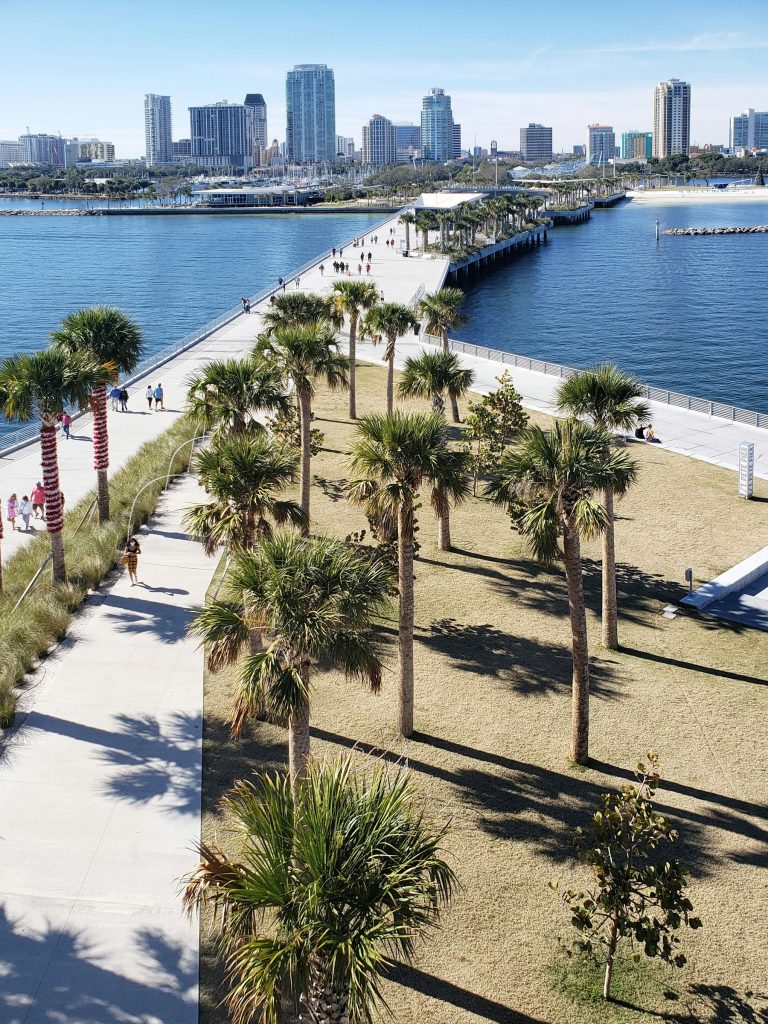
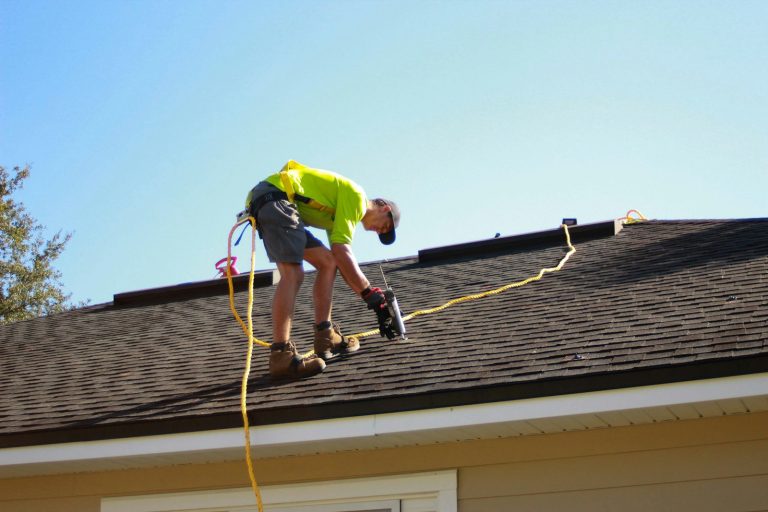
Buying on Treasure Island Florida in 2026 means buying two things at once. You get a wide Gulf beach lifestyle, and you also take on a very specific set of barrier-island rules. We show homes on these islands regularly. In fact, the buyers who do best are the ones who understand both halves before they write an offer. So here is the honest version of the guide.
Treasure Island is in Pinellas County, Florida. Its neighbor just across John’s Pass, Madeira Beach, is also in Pinellas County. Both sit on the string of barrier islands west of St. Petersburg. Each city puts the Gulf of Mexico on your west side and Boca Ciega Bay and the Intracoastal Waterway on your east. As a result, many properties here come with either a beach view or a boat dock, and some come with both.
How Treasure Island Florida Is Laid Out
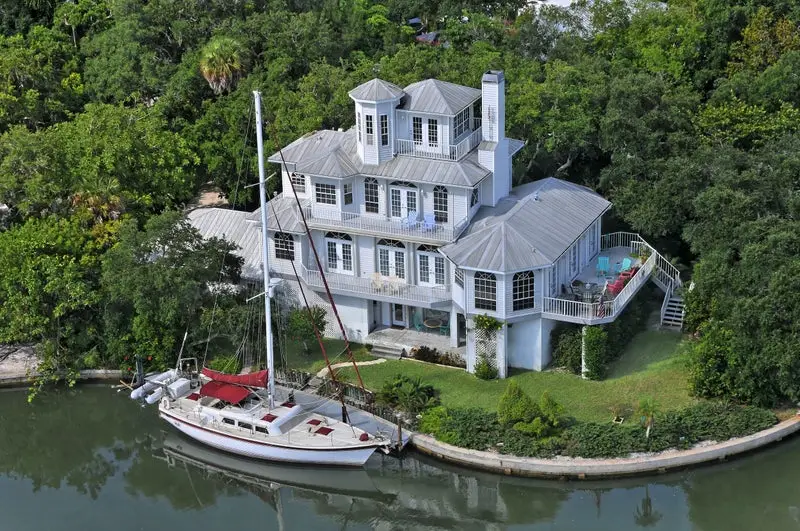
Treasure Island runs about three and a half miles of shoreline, with one of the widest beaches on the Pinellas coast. The island also breaks into distinct neighborhoods. Sunset Beach sits at the south end with its older cottage streets, while the mid-island commercial strip runs along Gulf Boulevard. Then on the bay side, the Isle of Palms and Paradise Island neighborhoods have canal-front homes with docks and quick Intracoastal access. By comparison, Madeira Beach is more compact. Its anchor is John’s Pass Village, a working waterfront of restaurants, charter boats, and shops at the island’s south tip. Downtown St. Petersburg is roughly 20 to 30 minutes east, and Tampa International runs 35 to 50 minutes depending on traffic.
Treasure Island Florida Prices in 2026
The market clearly favors buyers this year. In Treasure Island, the median list price was $675,000 in July 2026, or about $510 per square foot. The island had 222 active listings that month. Also, average time on market reached 119 days, up from 97 a year earlier, per Movoto data from July 2026. Meanwhile, Madeira Beach homes sold for a median of $775,000 in July 2026, at about $642 per square foot. It had 174 active listings, also per Movoto.
The housing stock splits into two products. Condos dominate the Gulf-front and mid-island. For example, Treasure Island condo closings ran near a $543,000 median in June 2026. By comparison, Madeira Beach condos ran near $745,000 that same month, per local Pinellas beach market analyses. Single-family homes cluster on the bay side, from ground-level 1950s to 1970s cottages to new elevated construction. Waterfront homes there commonly run from the $700,000s to well past $2 million, depending on elevation, dock, and remodel status. Because days on market are long and Pinellas condo supply sits above eight months, negotiating room is real. We compare these islands to other options in our guide to the best waterfront communities on Florida’s Gulf Coast.
The Elevation Reality After 2024
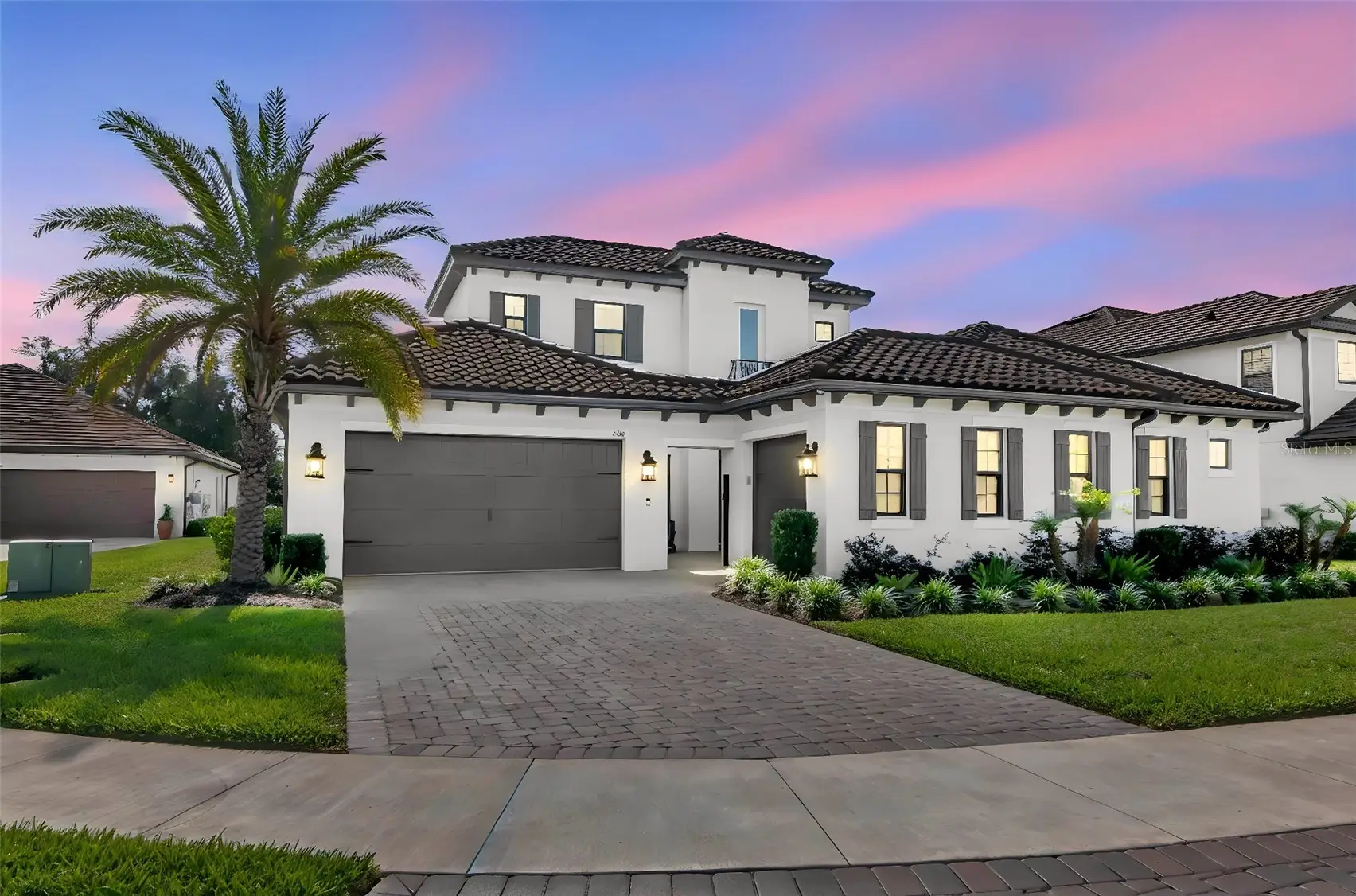
We will not sugarcoat this. Hurricane Helene’s surge in September 2024 and Hurricane Milton weeks later hit these islands hard, so 2026 pricing still reflects it. The lasting effect, though, is regulatory. Most people call FEMA’s substantial improvement standard the 50 percent rule. It applies when repairs plus improvements to a home in a high-risk flood zone exceed 50 percent of the structure’s market value. In that case, the owner must bring the whole building up to current flood code, which usually means elevating it. As a result, you will see three kinds of listings today. One kind is the renovated ground-level home that stayed under the threshold. Another is the lot or gutted home priced for redevelopment. The third is new elevated construction, which commands a premium.
Before our clients fall for a house, we check its exact address. Then we pull the flood zone and base flood elevation from the FEMA Flood Map Service Center. Flood insurance is the other line item. The average NFIP premium in Pinellas County is about $2,809 per year, per Insurify data updated July 2026. Older ground-level homes near the water can run far higher, while elevated homes often quote surprisingly reasonably. Also note the Citizens rule change: wind policyholders with $400,000-plus replacement cost must carry flood coverage as of January 1, 2026. So our checklist of insurance questions to ask before making an offer applies doubly on a barrier island.
Beach Condos and the 2026 Inspection Rules
Florida’s post-Surfside condo safety laws now shape every beach condo purchase. Buildings three stories and up must complete milestone structural inspections. For buildings within three miles of the coast, the first one comes at 25 years, then every 10 years. Associations must also fund structural reserves based on a structural integrity reserve study. They can no longer waive those reserves.
Special assessments reported across Florida have ranged from a few thousand dollars to over $100,000 per unit, per a 2026 HOA industry guide. In practice, that means we request the milestone report and the reserve study before you offer on a Gulf-front condo. We also ask for the budget and any pending assessments. A well-run building with funded reserves is worth paying up for. On the other hand, a cheap unit in an underfunded one is not a bargain. This is a big part of why Pinellas condo inventory sits above eight months of supply in 2026.
Rentals and Second Homes
Many buyers here are second-home or investor buyers, and the two cities regulate rentals differently. Per a local Pinellas beach investment guide from 2026, Treasure Island uses a change-of-occupancy framework that permits short stays in certain zoning districts. By comparison, Madeira Beach determines eligibility parcel by parcel under its vacation rental restriction map. Rules like these change, so we verify zoning and registration with the city for the exact parcel before a client underwrites rental income. Either way, budget honestly. Between flood and wind premiums, possible assessments, and maintenance in salt air, carrying costs surprise people. So start with our breakdown of the hidden costs of owning a Tampa Bay home. For the full diligence list, from seawalls to elevation certificates, see our Gulf Coast waterfront buying guide.
Treasure Island Florida rewards the prepared buyer in 2026. You get motivated sellers, real selection, and a beach that explains itself the first evening you walk it. Still, it asks that you buy with your eyes open.
Market data referenced is believed accurate as of publication but changes frequently; we’re happy to pull current numbers for your specific search.
Frequently Asked Questions
Treasure Island is in Pinellas County, Florida, on the barrier islands west of St. Petersburg. Madeira Beach, its neighbor across John’s Pass, is also in Pinellas County.
Treasure Island’s median list price was $675,000 and Madeira Beach’s median sold price was $775,000 in July 2026, per Movoto. Condos ran near $543,000 and $745,000 medians respectively in June 2026, per local market analyses.
Both cities allow vacation rentals in defined areas, but the rules differ: Treasure Island uses a change-of-occupancy framework by zoning district, while Madeira Beach restricts eligibility parcel by parcel. Verify the exact parcel’s status with the city before counting on rental income.
Want the Honest Rundown on a Beach Address?
If you’re weighing Treasure Island or Madeira Beach, we’ll walk you through the numbers for the specific homes you’re considering. That means flood zone, insurance quotes, condo reserves and all. No pressure, just clarity. Where Every Move Matters.
MJM Group | Coldwell Banker Realty · mjmgroup@cbrealty.com · (239) 994-2804 · (813) 833-3073